 Medically reviewed by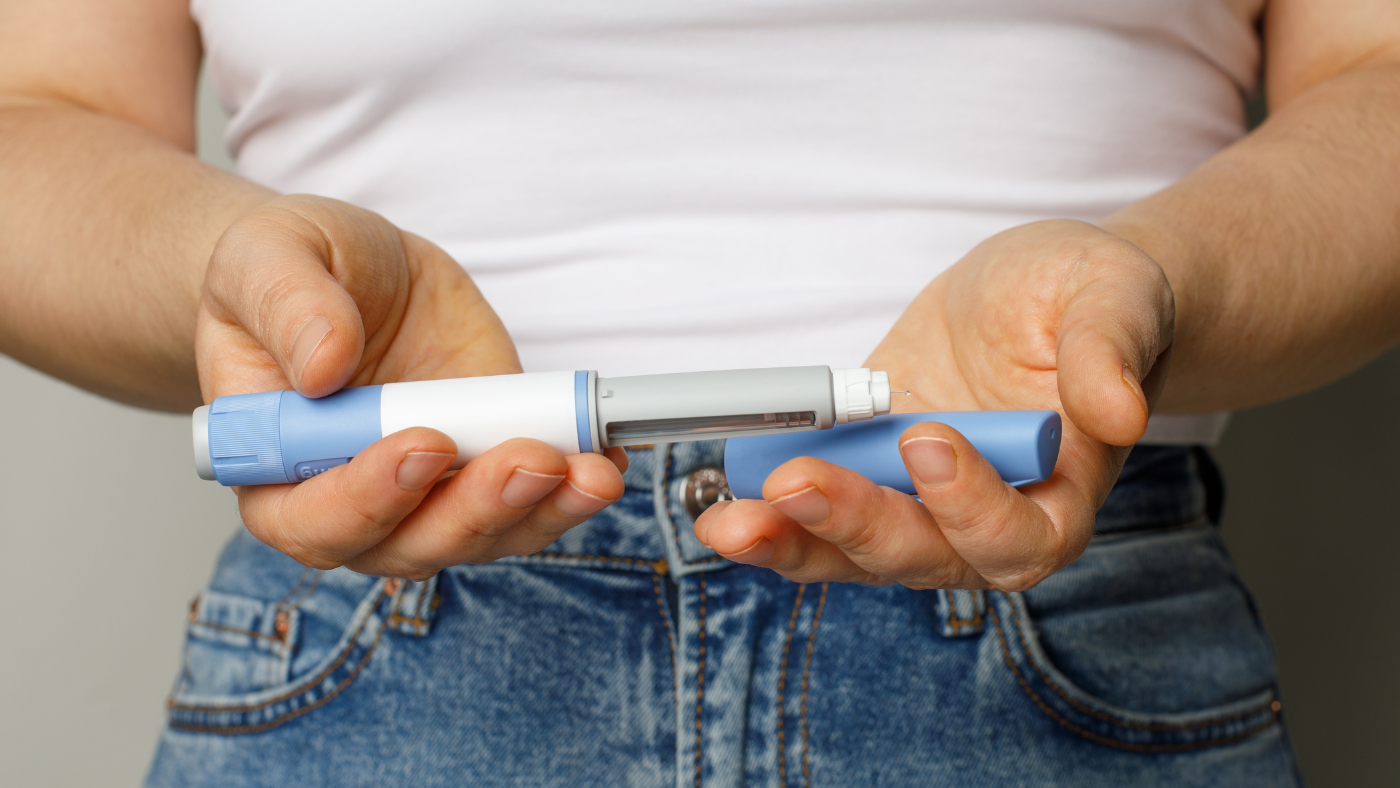
Overview
For the first time, Irish patients researching medical weight loss face a genuine three-way choice: the established Wegovy injection (semaglutide 2.4mg, weekly), the more powerful Mounjaro injection (tirzepatide, weekly), and, arriving soon, the Wegovy pill (oral semaglutide 25mg, daily), the first GLP-1 tablet approved in the EU.
All three are serious, evidence-based prescription medicines, and all three comfortably outperform anything that came before them. But they differ meaningfully in effectiveness, dosing routine, side effect patterns, cost and, crucially for anyone reading this in July 2026, availability in Ireland today. Two of the three you can start this week. One of them you cannot, yet.
This guide compares them across every dimension that matters, using the pivotal trial data for each medicine, so you can have an informed conversation with a doctor rather than making the decision from headlines. It finishes with the practical question most guides dodge: given real prices in Ireland versus Northern Ireland, and a real launch timeline for the pill, what should you actually do this month?
How each treatment works
All three medicines belong to the same broad family, gut hormone (incretin) mimics, but they are not interchangeable.
Wegovy injection (semaglutide 2.4mg, once weekly). Semaglutide is a GLP-1 receptor agonist: it mimics glucagon-like peptide-1, a hormone your gut releases after eating. By activating GLP-1 receptors in the brain and digestive tract, it reduces appetite, slows stomach emptying so you stay fuller longer, steadies blood sugar levels, and — the effect patients mention most — quiets the constant "food noise" that sabotages willpower-based dieting. It is delivered once a week from a pre-filled Wegovy pen, self-injected into the stomach, thigh or upper arm.
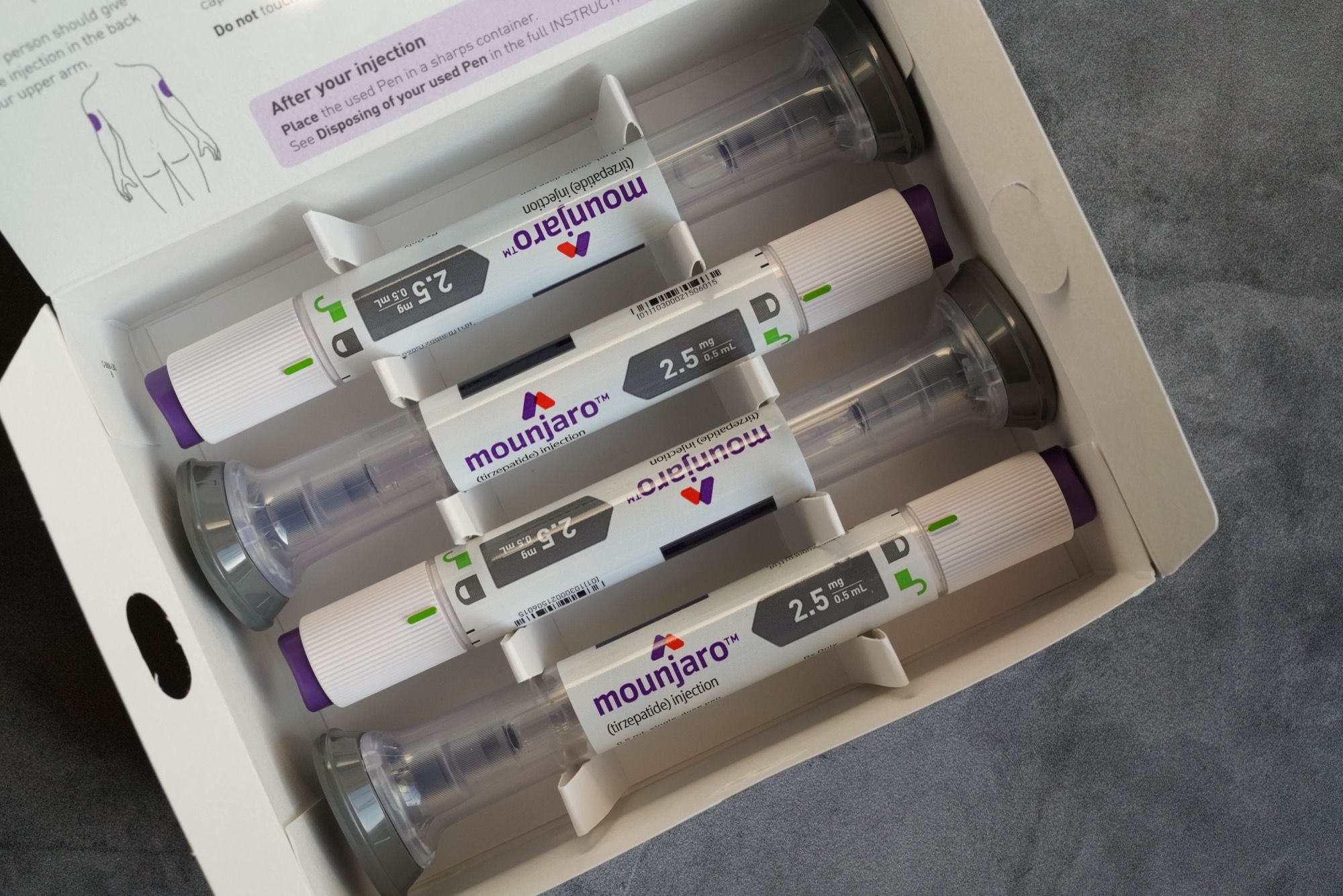
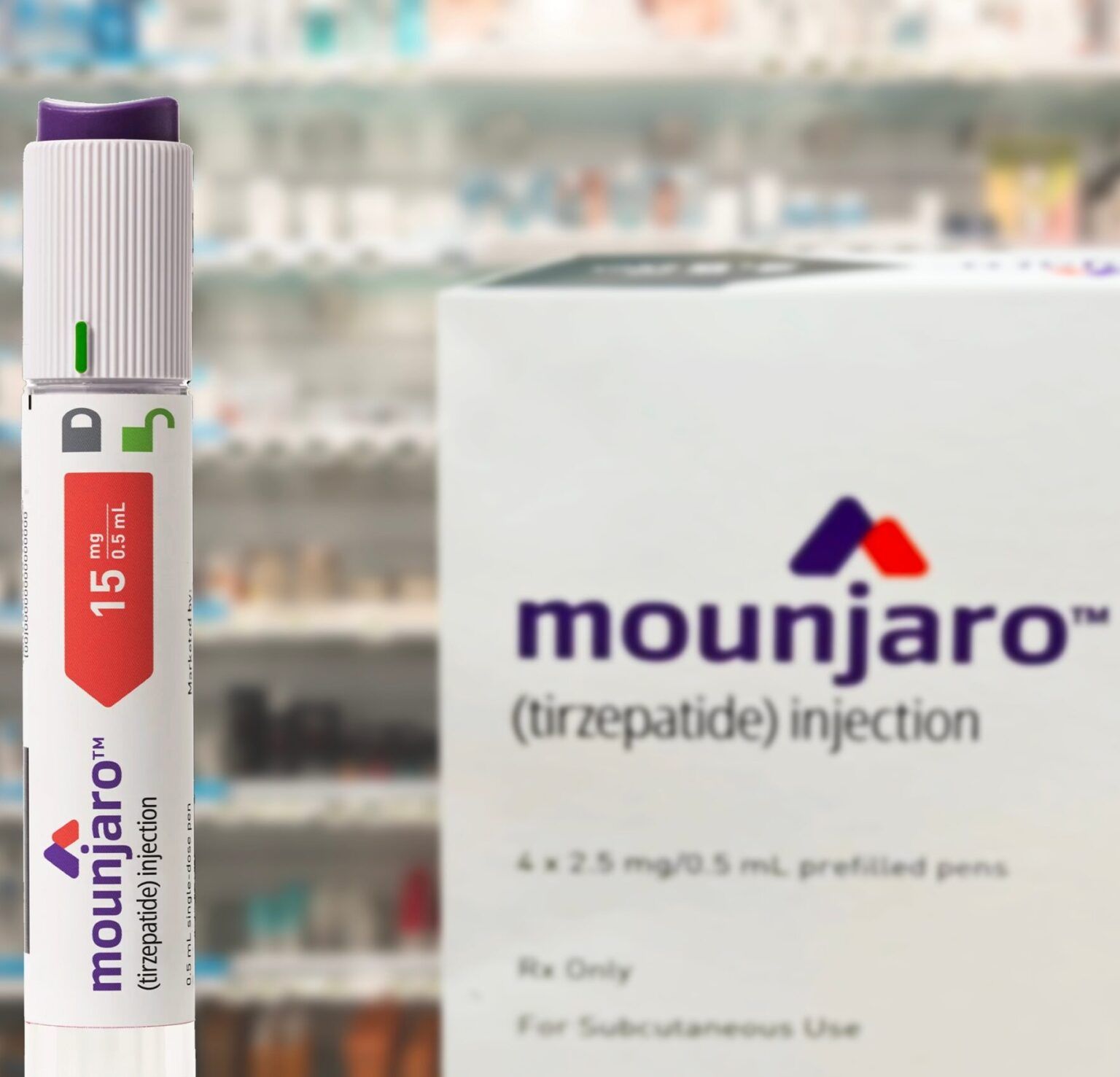
Mounjaro injection (tirzepatide, once weekly). Tirzepatide is a dual agonist: it activates the GLP-1 receptor and the GIP receptor (glucose-dependent insulinotropic polypeptide). The additional GIP action appears to amplify both weight loss and metabolic improvements, better insulin sensitivity, better blood sugar control, which is why Mounjaro tops every effectiveness comparison to date. Our GLP-1 vs GLP-1 + GIP explainer covers the mechanism in depth. Like Wegovy, it is a weekly self-injection using a pre-filled KwikPen.
Wegovy pill (oral semaglutide 25mg, once daily). The same molecule as the Wegovy injection, reformulated as a tablet. Because semaglutide is a peptide the stomach would normally digest, the tablet uses an absorption enhancer (SNAC) that shields the molecule long enough to be absorbed through the stomach lining. That chemistry imposes the pill's one lifestyle rule: it must be taken on an empty stomach with a small sip of water, at least 30 minutes before any food, drink or other medication. Full details in our dedicated guide: Wegovy Pill in Ireland — release date and price.
Effectiveness: what the pivotal trials actually show
Effectiveness numbers get thrown around loosely online, so here are the headline results from each medicine's key trial, with sources:
- Mounjaro SURMOUNT-1 (NEJM): adults with obesity lost an average of about 20% of body weight over 72 weeks on the 15mg dose; more than half of participants on the top dose lost 20% or more, and around a third lost 25% or more. These are results previously seen only with bariatric surgery.
- Wegovy pill OASIS 4: adults taking oral semaglutide 25mg lost an average of 16.6%, with roughly one in three losing 20% or more.
- Wegovy injection STEP 1 (NEJM): average loss of 14.9% over 68 weeks, with about a third of participants losing 20% or more.
Three caveats a fair comparison must include. First, these are different trials with different populations; cross-trial comparisons are indicative, not exact. Second, every trial included diet and physical activity support; the medicines amplify lifestyle change rather than replace it. Third, averages hide spread: in every trial some participants lost far more than the mean and a minority responded weakly. That individual variability is precisely why dose adjustment under medical supervision matters more than picking the "best" medicine on paper.
The consistent pattern across all evidence to date: Mounjaro leads on raw effectiveness, and the pill effectively matches the Wegovy injection.
The head-to-head trial: SURMOUNT-5
Cross-trial caveats disappear when medicines are compared directly, and for the two injections we now have exactly that. SURMOUNT-5 randomised adults with obesity to tirzepatide (Mounjaro) or semaglutide 2.4mg (Wegovy) head-to-head over 72 weeks. Tirzepatide won clearly: roughly 20% average weight loss versus about 14% for semaglutide, with substantially more participants reaching the 15%, 20% and 25% loss thresholds. That settles the "which injection is stronger" question as firmly as evidence can.
What it does not settle is the whole decision. Semaglutide carries something tirzepatide has not yet matched: the SELECT cardiovascular outcomes trial, which showed semaglutide reduced major cardiovascular events, heart attack, stroke, cardiovascular death, by around 20% in people with existing cardiovascular disease and overweight or obesity. For a patient whose primary concern is heart risk rather than maximum weight loss, that data can reasonably tip the choice toward Wegovy. This is precisely the kind of trade-off a prescribing doctor weighs with you.
At a glance: the full comparison table
| Wegovy pill | Wegovy injection | Mounjaro injection | |
|---|---|---|---|
| Active ingredient | Semaglutide (oral, 25mg) | Semaglutide 2.4mg | Tirzepatide (up to 15mg) |
| Mechanism | GLP-1 agonist | GLP-1 agonist | Dual GLP-1 + GIP agonist |
| Average weight loss (pivotal trial) | 16.6% (OASIS 4) | 14.9% (STEP 1) | ~20% (SURMOUNT-1) |
| Dosing | Daily, empty stomach, 30-min wait | Weekly pen, any time | Weekly pen, any time |
| Cardiovascular outcomes data | Expected to mirror semaglutide | Strongest in class (SELECT) | Emerging |
| Storage | Room temperature | Refrigerated | Refrigerated |
| Available in Ireland (July 2026) | Not yet H2 2026+ | Yes now | Yes now |
| Monthly cost via NI delivery | TBA at launch | From ~€196 equivalent band | £169–£319 (~€196–€369) |
| Monthly cost, RoI pharmacy | TBA | €240–€355 | €285–€595 |
What results look like month by month
Whichever you choose, the shape of a successful first year is remarkably consistent across the trials and our own patient base:
Month 1: dose introduction. Appetite quietens within days, most patients describe portions shrinking by a third without effort. Weight loss of 2–4% is typical. Mild nausea, if any, peaks after each injection or early tablets and fades.
Months 2–3: stepwise dose increases. Most patients pass 5% total loss, already enough to measurably improve blood pressure and blood sugar. This is where clothes change size and momentum locks in.
Months 4–6: effective maintenance doses reached. Cumulative loss typically lands at 10–12%. Energy, sleep quality and joint comfort improvements are commonly reported. Monthly €30 reviews adjust dose against side effects and progress.
Months 7–12: the compounding phase. Trial averages, 15% (Wegovy), 16.6% (pill), 20% (Mounjaro),are reached in this window. Loss slows as you approach your new equilibrium; the medical focus shifts to preserving muscle (protein intake, resistance exercise) and planning long-term maintenance.
Individual results vary meaningfully around these averages, some patients dramatically exceed them, a minority respond weakly, which is exactly why supervised dose adjustment beats picking a medicine off a league table.
Beyond the scales: health outcomes
Weight loss is the headline, but the health case runs deeper. Semaglutide has demonstrated a roughly 20% reduction in major cardiovascular events, heart attack and stroke, in people with cardiovascular disease and obesity (the SELECT trial), which is why doctors increasingly frame these medicines as cardiometabolic treatments, not cosmetic ones. Across the class, trials show improved blood pressure, cholesterol profiles, inflammatory markers and sleep apnoea symptoms, and tirzepatide has shown particularly strong results in people with pre-diabetes and type 2 diabetes.
Convenience and daily life
The weekly pens win on simplicity. One nearly painless self-injection a week, stomach, thigh or upper arm, rotating sites, at any time of day, with or without food. Most needle-averse patients report the fear was worse than the reality; the needle is fine-gauge and barely felt.
The pill trades needles for discipline. Daily dosing, strictly on an empty stomach, then a 30+ minute wait before your morning coffee, breakfast or other medicines. If your mornings are chaotic, shift work, small children, early commutes, the weekly pen is often more convenient than a daily tablet with timing rules. If you simply cannot face injections, the pill removes the barrier entirely.
Storage and travel. Pens live in the fridge (with limited room-temperature allowances); tablets don't. For frequent travelers, that's a genuine point in the pill's favor.
Side effects compared
All three share the incretin-class profile, because the mechanism is the shared cause: nausea, constipation, diarrhoea and occasional vomiting, concentrated in the dose-escalation phase and usually settling as your body adjusts. In trials, discontinuation due to side effects was uncommon for all three (roughly 5–7%). The practical differences:
- Dose flexibility is the real safety valve. Both injections escalate through defined dose steps; a doctor can hold you longer at a lower dose or step back if side effects bite. The pill escalates similarly through its tablet strengths.
- The pill adds one specific consideration: because absorption happens in the stomach, taking it incorrectly (with food, insufficient water) mostly wastes the dose rather than causing harm, but consistency determines results.
- Contraindications are identical across all three: pregnancy or breastfeeding, personal or family history of medullary thyroid carcinoma or MEN2 syndrome, and a history of pancreatitis warrant avoidance or specialist input. Rare but serious class risks include pancreatitis and gallbladder disease.
Full prescribing information: EMA pages for Wegovy and Mounjaro. Our week-by-week guide to Mounjaro side effects covers management in detail.
Cost and availability in Ireland, the deciding factor
This is where the abstract comparison becomes a real decision.
Available today: both injections. Through our doctor-led service, an Irish-registered doctor assesses you online for a flat €30 consultation fee, the same for first and repeat consultations, refunded in full if you are not eligible. If suitable, your prescription is dispensed by a licensed Northern Ireland pharmacy and delivered to your door anywhere in Ireland. Because Northern Ireland operates under UK pricing structures, monthly costs run £169–£319 (roughly €196–€369) versus €285–€595 at Republic of Ireland pharmacies, a saving of €90–€280 every month for the identical branded pens. Current dose-by-dose figures: Ireland vs Northern Ireland price comparison.
Not yet available: the Wegovy pill. EU-approved in May 2026, launching in selected markets in H2 2026, with realistic Irish availability late 2026–2027. Pricing is unannounced but expected near injection levels, and the same North–South pricing gap is likely to apply. Register your interest and we will contact you the day Irish availability and pricing are confirmed.
What to expect when you start
Weeks 1–4: dose introduction. Appetite noticeably quietens within days; mild nausea is common and manageable with smaller, slower meals. Weeks 5–12: stepwise dose increases; most patients pass 5% loss as doses reach effective levels. Months 4–12: steady progress toward the trial-average outcomes, with monthly reviews. Every dose change and review through our service is the same flat €30, so supervision never lapses for cost reasons. Check your starting point with our BMI calculator, eligibility requires a BMI of 30
Frequently asked questions
Is the Wegovy pill as good as the Wegovy injection?
On the trial evidence, effectively yes. The 25mg oral dose produced 16.6% average weight loss in OASIS 4 versus 14.9% for the injection in STEP 1, different trials, so treat the gap as noise rather than superiority. The meaningful differences are practical: the injection is weekly with no food-timing rules and is available in Ireland today; the pill is daily, empty-stomach, and not yet launched here. Same molecule, same class side effects, same prescription-only status.
Is Mounjaro better than Wegovy?
For average weight loss, the evidence says yes: roughly 20% at 72 weeks in SURMOUNT-1 versus about 15% for Wegovy in STEP 1, and a head-to-head trial (SURMOUNT-5) confirmed tirzepatide's advantage directly. But "better on average" isn't "better for you": semaglutide carries the strongest cardiovascular outcome data, individual tolerability differs, and some patients respond exceptionally to either. This is a prescriber's decision informed by your history, which is exactly what the €30 consultation is for.
Can I start on one and switch to another?
Yes, switching within the incretin class under medical supervision is routine. Wegovy injection to Wegovy pill is the simplest transition (same molecule, mapped doses). Wegovy to Mounjaro is common when patients plateau. Mounjaro to the pill is possible, though your doctor will discuss the expected effectiveness trade-off first. What a doctor will not do is have you combine them, one incretin medicine at a time.
Why are your prices so much lower than my local pharmacy?
Because your medication is dispensed in Northern Ireland, where UK market pricing applies. With a digital prescription from an Irish-registered doctor, a licensed NI pharmacy can legally deliver the identical branded pens to your door in Ireland, £169–£319 per month versus €285–€595 locally. Nothing about the medicine differs; only the pricing structure of the market it is dispensed in.
What does it cost to get started, and what if I'm not eligible?
A flat €30 for the online consultation, first time and every repeat, including dose reviews. If our doctor concludes treatment isn't medically suitable for you, the €30 is refunded in full. There are no subscription fees or hidden charges on top of the published medication prices.
References
- EMA: First oral GLP-1 treatment for weight management
- EMA: Wegovy EPAR · EMA: Mounjaro EPAR
- STEP 1 trial, NEJM · SURMOUNT-1 trial, NEJM
- HPRA — Health Products Regulatory Authority
Medical disclaimer: This article is for informational purposes only and does not constitute medical advice. All prescription treatment decisions are made by an Irish-registered doctor following individual medical assessment. Results vary between individuals. If you have questions about your health, consult a qualified healthcare professional.