
 Medically reviewed by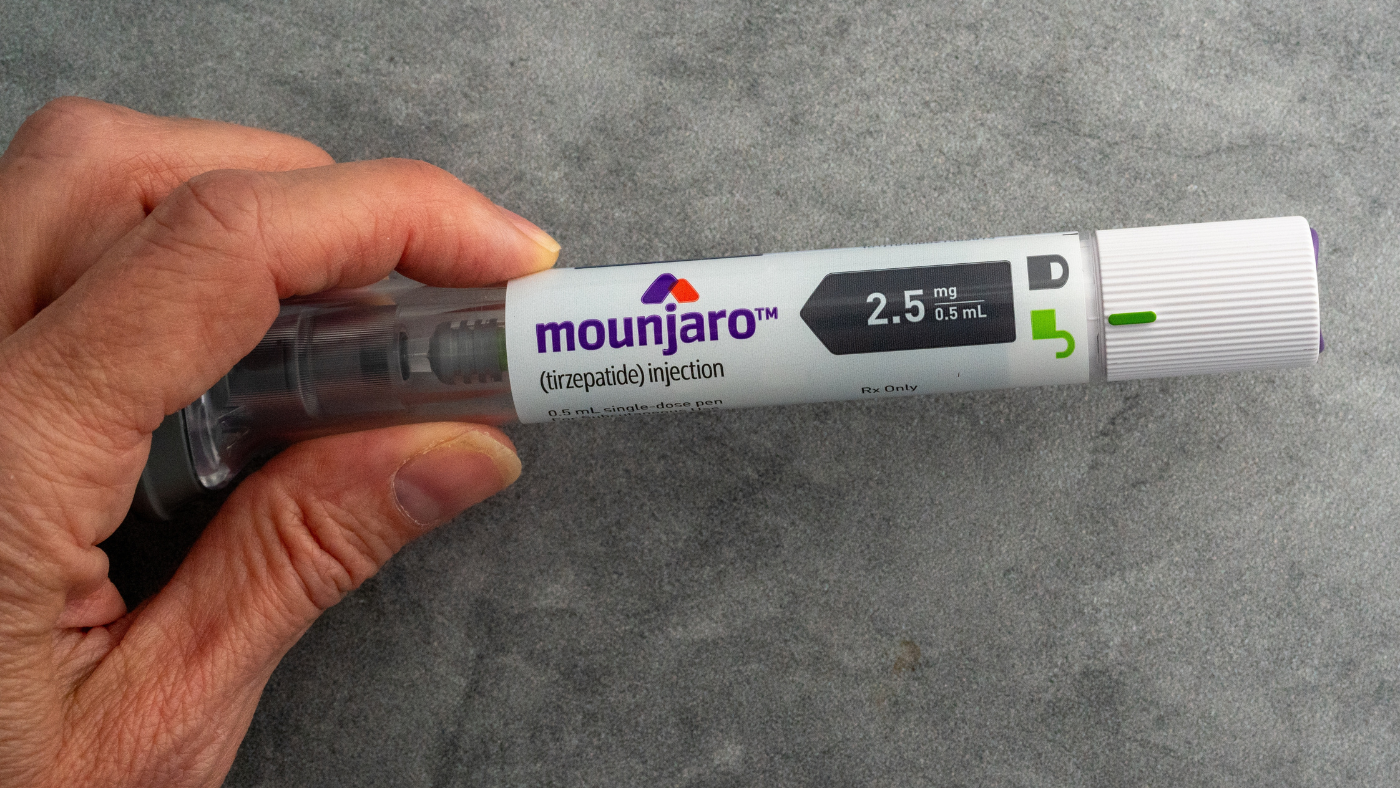
Overview
Mounjaro (tirzepatide) is the most effective weight-loss injection available in Ireland, but if you are scrolling through forums at 2 am wondering whether the nausea, the fatigue, or that odd stomach cramp is normal, this guide is for you. It is written from the questions our own patients ask most often, and it covers the full picture: which side effects of Mounjaro actually occur and how often, when in your treatment they appear, what genuinely helps with each one, the small number of red-flag symptoms that need prompt medical attention, and who should not take this medicine at all.
The headline reassurance first. In SURMOUNT-1, the pivotal 72-week trial of tirzepatide in more than 2,500 adults, the overwhelming majority of side effects were mild to moderate, concentrated in the dose-escalation phase, and settled as the body adjusted. Fewer than 7% of participants stopped treatment because of them, meaning more than 93% of people who started, finished. Knowing what is coming, and having a doctor who adjusts your dose when needed, is most of the battle. That is exactly what this guide and our €30 flat-fee reviews are for.
How Mounjaro works, and why that causes side effects
Mounjaro activates two gut hormone receptors: GLP-1 (glucagon-like peptide-1) and GIP (glucose-dependent insulinotropic polypeptide). Together, they reduce appetite at the brain level, slow the rate at which your stomach empties, and improve how your body handles blood sugar. The result is that you feel satisfied on far less food and the constant background pull toward eating,"food noise", goes quiet.
Understanding the mechanism explains the side effects. Food sitting longer in a slower stomach is why nausea, fullness, burping and reflux occur. Less food and slower gut transit are why constipation occurs. Rapidly changing energy intake is why some people feel tired in the early weeks. In a real sense, mild side effects are evidence the medicine is doing what it is designed to do; the goal of good management is keeping them mild while your body adapts.
The common side effects, and how common, exactly
From the trial data and regulator product information (EMA Mounjaro product information, NHS tirzepatide guidance), the most frequently reported side effects of Mounjaro are:
- Nausea: roughly 25–30% of patients at some point, mostly mild, mostly early
- Diarrhoea: around 20%
- Constipation: around 15–20%, more common at mid-range doses
- Vomiting: around 10%, usually brief episodes after dose increases
- Indigestion, reflux, and burping (including "sulphur burps") around 10%
- Reduced appetite: near-universal, and of course, the point
- Fatigue and headache: around 5–10%, typically in the first fortnight
- Injection site reactions: small redness or itch in a minority, resolving in days
Percentages are trial figures; your experience is individual. Plenty of patients report nothing beyond a quieter appetite.
Week by week: what to expect and when
Weeks 1-4 (2.5mg starting dose):
The 2.5mg dose is intended to help your body adapt, not to drive weight loss, though many patients lose weight anyway. Appetite reduction is usually obvious within days. Mild nausea, if it comes, typically peaks in the 24–48 hours after injecting. Some notice tiredness, mild headache, or looser stools.
What helps: smaller portions, eating slowly, avoiding greasy and very rich food, and steady hydration through the day.
Weeks 5–12 (stepping to 5mg, then 7.5mg):
Each dose increase can bring a brief return of queasiness for two to four days, it almost always settles faster than the first time. Constipation becomes the more common complaint in this phase as intake drops: fiber, fluids and daily movement handle most cases, and a pharmacist-recommended laxative is perfectly reasonable if needed. Reflux or sulphur burps affect a minority; smaller evening meals and not lying down after eating help.
Months 3–6 (7.5mg–15mg maintenance range):
For most patients, side effects fade into the background, and the routine becomes just a weekly injection into the stomach, thigh, or upper arm, with sites rotated. If nausea or vomiting persists at a given dose, this is exactly when medical supervision earns its keep: staying longer at the lower dose or stepping back one level usually resolves symptoms without sacrificing results. The dose escalation schedule is a ceiling, not a race, a point healthcare professionals make constantly, and patients forget constantly.
Beyond month 6:
Late-onset side effects are uncommon. The issues that matter at this stage are the rare ones below, plus practical points like maintaining protein intake and strength exercise so that weight lost stays predominantly fat rather than muscle. Our guide on what to eat on weight loss injections covers meal structure in detail.
Less common but important side effects
- Gallbladder problems: Rapid weight loss from any cause increases the risk of gallstones. Persistent pain under the right ribs, particularly after fatty meals, sometimes with nausea, should be reviewed.
- Pancreatitis (rare): Severe, persistent upper abdominal pain that may radiate to the back, with or without vomiting. Stop injecting and seek urgent medical care. This is the class's most important rare risk.
- Hypoglycemia: Unlikely on Mounjaro alone; the risk rises if combined with diabetes medicines such as insulin or sulfonylureas. Disclose every medicine you take at the consultation.
- Dehydration and kidney strain: Significant vomiting or diarrhoea plus reduced drinking can dehydrate you quickly. Prioritise fluids; contact a doctor if you cannot keep fluids down for 24 hours.
- Allergic reaction (very rare): Swelling of face, lips, or throat, difficulty breathing, widespread rash, emergency care immediately.
- Thyroid concerns: Rodent studies showed thyroid C-cell tumors; human relevance is unconfirmed, but as a precaution, Mounjaro is contraindicated with a personal or family history of medullary thyroid carcinoma or MEN2 syndrome.
Every pack includes the patient information leaflet; suspected side effects in Ireland can and should be reported to the HPRA.
Who should not take Mounjaro
Mounjaro is not suitable if you are pregnant, planning pregnancy, or breastfeeding; if you have the thyroid history above; if you have a history of pancreatitis; or if you have severe gastrointestinal disease such as gastroparesis. It is also not licensed for people below the BMI thresholds, generally a BMI of 30+, or 27+ with a weight-related condition such as high blood pressure or type 2 diabetes. Our doctors screen all of this before any prescription is issued — the criteria are set out for who qualifies for weight loss injections in Ireland.
Managing side effects: the six things that actually work
- Eat smaller, earlier, slower: The single most effective change. Your stomach empties slowly now; work with it. Three small meals beat two large ones every time.
- Front-load protein; keep fluids constant: Protein protects muscle during rapid loss; 2+ liters of water daily blunts nausea, headaches, and constipation simultaneously.
- Time your injection tactically: Many patients inject on Friday evening, so any post-dose queasiness lands on the weekend rather than the Monday commute.
- Respect the escalation schedule, downward too: If a new dose is rough, your prescriber can hold or step back. Results come from months on treatment, not from rushing to 15mg.
- Use the boring remedies: Ginger, peppermint tea, bland cold foods for nausea; fiber and movement for constipation; smaller evening meals for reflux. They work.
- Report, don't tough it out. Persistent vomiting, dehydration, severe abdominal pain, that is what your prescribing doctor is for. With our service, every review is a flat €30, so cost never deters a needed dose adjustment.
Why doctor-led supply matters (and where cheap goes wrong)
Side effect management is the strongest argument against buying "cheap Mounjaro" from unregulated websites. An unsupervised patient who hits week-six nausea has nobody to adjust their dose, so they either suffer, quit, or improvise. Worse, falsified pens seized by regulators contained anything from insulin to nothing at all. Through our service, an Irish-registered doctor reviews your history before prescribing, and your medication is dispensed by a licensed Northern Ireland pharmacy. Genuine pens, genuine supervision, lower cost: details in our guides to Mounjaro in Ireland.
Frequently asked questions
How long do Mounjaro side effects last?
For most patients, days to a couple of weeks after starting or after each dose increase, with each escalation settling faster than the last. By the maintenance phase (months 3–6), most people report little beyond reduced appetite. Side effects that persist for weeks at a stable dose are not something to endure silently; they are a signal for a dose review, which, through our service, costs a flat €30 and frequently resolves the problem by holding at a lower dose for longer.
What helps Mounjaro nausea fastest?
Immediate relief: small bland meals, cold foods (they smell less), ginger in any form, peppermint tea, sipping fluids steadily rather than gulping, and staying upright for an hour after eating. Preventive: eat smaller portions before you feel full, avoid greasy or very sweet food around injection day, and consider moving your injection to the evening so you sleep through the peak. If nausea still interferes with daily life, your doctor can slow the titration schedule or prescribe a short course of anti-nausea medication, both routine, both effective.
Does everyone get side effects on Mounjaro?
No. A substantial minority of patients experience nothing at all beyond appetite reduction, trial data suggests roughly half report no meaningful gastrointestinal symptoms. The best predictor of a smooth ride is respecting the escalation schedule and the food rules above. Reduced appetite is the only near-universal effect, and it is the therapeutic one.
Do side effects come back at higher doses?
Often briefly, yes. Each step up, 5mg, 7.5mg, 10mg and beyond, can bring two to four queasy days as your body recalibrates. Patients consistently find each escalation easier than the first month. If any single step is disproportionately rough, staying an extra four weeks at the previous dose is a standard, evidence-aligned strategy that costs you almost nothing in final results.
When should I stop injecting and seek urgent help?
Four situations: severe persistent abdominal pain (especially radiating to the back, possible pancreatitis); repeated vomiting with inability to keep fluids down for 24 hours (dehydration risk); signs of allergic reaction, facial or throat swelling, breathing difficulty (emergency services immediately); and right-upper-quadrant pain after fatty meals suggesting gallbladder trouble. All are uncommon to rare, but none should be waited out. For anything less acute, message our medical team or book a €30 review.
Is Mounjaro safe long term?
Tirzepatide has multi-year trial data (SURMOUNT and SURPASS programs) with no new safety signals emerging over time, and regulators in the EU, UK and US keep it under continuous safety monitoring. The honest long-term consideration is different: obesity is a chronic condition, and stopping treatment typically sees appetite and weight return. Long-term planning, including maintenance dosing or structured tapering, is a conversation your prescriber revisits with you as results accumulate.
References
- EMA: Mounjaro — product information
- NHS: Tirzepatide (Mounjaro)
- SURMOUNT-1 trial, NEJM
- HPRA — reporting suspected side effects
Medical disclaimer: This article is for informational purposes only and does not constitute medical advice. All prescription treatment decisions are made by an Irish-registered doctor following individual medical assessment. Results vary between individuals. If you experience concerning symptoms, contact a healthcare professional promptly.