 Medically reviewed by
Overview
Since the Wegovy pill became accessible to Irish patients, the most frequent question from people already established on the weekly injection has been a simple one: should I switch? It's a reasonable question, same active ingredient, needle-free, no refrigeration, and for some patients the tablet is genuinely a better fit. For others, switching would swap a routine that works for one that doesn't.
This guide covers the full decision: the practical differences between the two forms, what the evidence says about comparative results, how a switch is managed clinically, the transition period, who should think twice, and how to arrange a switch through our service. One principle sits above everything else in this article: switching is a clinical decision made with your prescriber, never something to arrange yourself by stopping one form and starting another.
As throughout our site, this is general educational information rather than medical advice, and your own prescriber's guidance always takes precedence.
The two forms at a glance
Both deliver semaglutide, a GLP-1 receptor agonist that reduces appetite, slows stomach emptying and quiets the "food noise" that undermines most diets. The differences are practical rather than pharmacological.
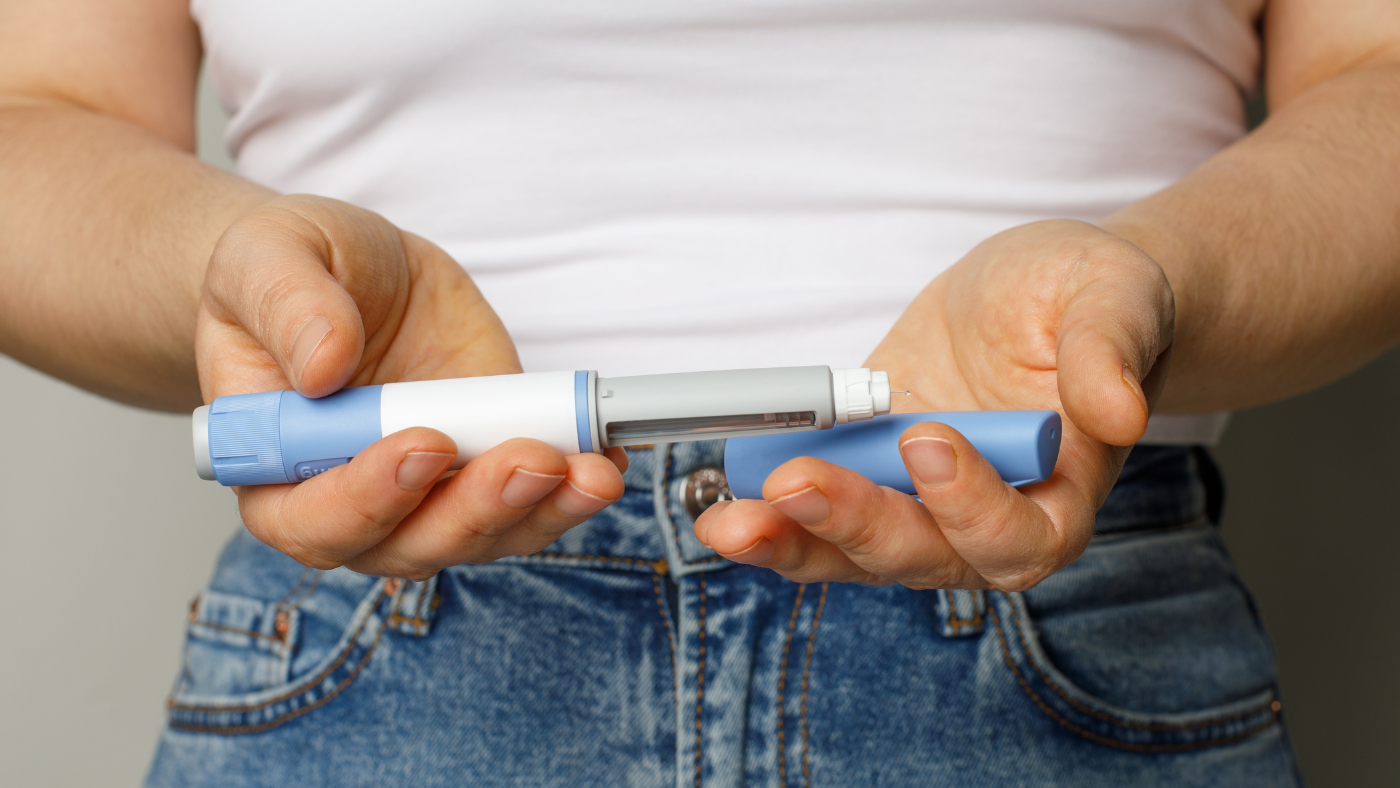
The injection is taken once weekly, any time of day, with or without food. The pen requires refrigerated storage before first use, and doses run from 0.25 mg (starting) to 2.4 mg (maintenance) with monthly step-ups. After the injection routine is learned, most patients find it takes under a minute a week.
The tablet is taken once daily, first thing in the morning, on a completely empty stomach with no more than a small sip of water (about 120 ml) — followed by a minimum 30-minute wait before food, other drinks or other medicines. This isn't bureaucratic caution: oral semaglutide depends on an absorption enhancer (SNAC) that only works in an empty stomach, so breaking the rule mostly means the dose simply isn't absorbed. Strengths run from 1.5 mg through 4 mg and 9 mg to the 25 mg maintenance dose. No refrigeration is needed, a genuine advantage for travel.
What the evidence says about results
The headline finding from the OASIS trial programme is that the 25 mg tablet and the 2.4 mg injection produce broadly comparable weight loss. Adherent participants on the 25 mg oral dose lost an average of around 16.6% of body weight over 64 weeks in OASIS 4, while the injection's STEP programme showed averages around 15% at 68 weeks. Head-to-head assumptions should be made cautiously across different trials, but the clinical consensus is straightforward: the choice between pill and injection is about fit and adherence, not effectiveness. The form you take correctly and consistently is the form that works. EU product information is available via the European Medicines Agency.
Why patients switch and why they stay
Reasons patients switch to the tablet. Needle aversion is the obvious one, and it's more common than most people admit, for some patients the weekly injection is a recurring source of dread that erodes adherence. Travel is the second: the tablet needs no cold chain, no sharps disposal and no airport-security conversations. Third is routine psychology: some people anchor daily habits more reliably than weekly ones, and a tablet beside the toothbrush beats a pen they forget which Tuesday to use.
Reasons patients stay on the injection. The weekly pen is seven times less frequent, with zero food rules. The tablet's empty-stomach ritual is non-negotiable every single morning, hard for shift workers, parents wrangling school runs, or anyone whose other medicines must be taken on waking. There's also stability: if you're established at 2.4 mg, tolerating it well and losing weight steadily, the clinical instinct is to not disturb what's working. "The pill is newer" is not by itself a reason to change.
How a switch works clinically
Dose mapping is not intuitive. Patients established on the full 2.4 mg weekly injection can, under clinical guidance, move to the 25 mg daily tablet. The numbers look wildly different because oral semaglutide is absorbed far less efficiently than injected, 25 mg by mouth is the therapeutic counterpart of 2.4 mg by injection, not a tenfold increase. Patients who are still mid-titration on the injection are handled case by case; the doctor may map you to an intermediate tablet strength rather than the top dose.
Timing the crossover. Semaglutide has a long half-life, roughly a week, which is why it can be injected weekly at all. A switch therefore involves a defined gap: broadly, the tablet begins around the time the next weekly injection would have been due. Your prescriber sets the exact schedule. Two rules are absolute: never run both forms simultaneously, and never bridge the gap with tablets sourced outside your prescription.
The adjustment window. Even at an equivalent dose, changing the delivery route changes the daily pharmacokinetic rhythm, a once-weekly curve becomes a daily one. Some patients notice a brief return of mild gastrointestinal symptoms (nausea, softer stools, reduced appetite beyond the usual) in the first two to three weeks after switching, similar to a dose step-up. This usually settles. Persistent vomiting, severe abdominal pain or symptoms that worsen rather than fade warrant contact with your clinical team promptly, and severe, persistent abdominal pain always deserves urgent assessment given the small pancreatitis risk carried by all GLP-1 medicines. Suspected adverse reactions can be reported to the HPRA.
Who should think twice before switching
A switch deserves extra scrutiny, and sometimes a clear "no", in a few situations. If your mornings can't reliably accommodate the empty-stomach rule (rotating shifts, unpredictable starts), the tablet's absorption will be inconsistent and your results will follow. If you take morning medicines that can't move, levothyroxine is the classic example, needing its own empty-stomach window, the sequencing needs a doctor's plan, not improvisation. If you've had significant gastrointestinal side effects on the injection, the daily oral route won't necessarily be gentler. And if you're pregnant, planning pregnancy or breastfeeding, semaglutide in any form is stopped, see our women’s health guide for the details, including the two-month pre-conception washout.
Arranging a switch through WeightLossInjections.ie
Existing patients raise the switch at their next consultation: mention it in your form and the reviewing doctor assesses suitability, maps your dose and sets the crossover schedule. New patients start with the standard online medical questionnaire. Either way the consultation fee is a flat €30, refunded in full if you're not suitable. If a prescription is issued, it's sent to your chosen Northern Ireland pharmacy partner, with collection or delivery arranged directly with the pharmacy and medication costs charged separately. Not all patients are suitable, and a prescription is not guaranteed.
Frequently asked questions
Will I lose more weight on the pill?
Unlikely. In trials, the 25 mg tablet produced around 16.6% average body-weight loss over 64 weeks (OASIS 4), while the 2.4 mg injection averaged around 15% at 68 weeks in the STEP programme, comparable results, allowing for the caution needed when reading across different trials. The clinical consensus is that the two maintenance doses are therapeutic counterparts, so switching in the hope of faster or greater weight loss is the wrong reason to switch. The form you take correctly and consistently is the form that works: if the daily empty-stomach routine suits your life better than a weekly pen, the tablet may serve you better, but that's a fit advantage, not a potency one.
Can I switch back if I don't like it?
Generally yes. Returning to the injection is managed the same way as the original switch: under clinical guidance, with a mapped dose and a defined crossover gap so the two forms never overlap. Some patients try the tablet, find the strict morning ritual harder in practice than it sounded on paper, and go back to the weekly pen within a couple of months. That's useful information, not a failure, you'll have learned definitively which routine you can sustain, and adherence is what drives results. Raise it at a consultation rather than stopping the tablet on your own; an unmanaged gap risks losing the appetite control you've built.
Do I restart at the lowest dose when switching?
Not usually. If you're established on the full 2.4 mg weekly injection and tolerating it well, the doctor maps you directly to the 25 mg daily tablet, its therapeutic counterpart, rather than restarting titration from the bottom. The numbers look very different only because oral semaglutide is absorbed far less efficiently than injected semaglutide. If you're still mid-titration on the injection, the mapping is individualised: the doctor may move you to an intermediate tablet strength (4 mg or 9 mg) and continue the step-up from there. Either way, the crossover schedule is set by your prescriber, not the pharmacy calendar.
Does the switch cost anything?
Just the standard consultation fee, a flat €30, the same for first and repeat consultations, refunded in full if the doctor concludes a switch isn't appropriate for you. There's no separate switching or administration charge. The medication itself is charged separately by the pharmacy, and tablet and injection prices differ, so factor the ongoing monthly cost into the decision, current figures are in our cost guide.
What if I have a stretch of travel right after switching?
Tell the doctor before the switch is scheduled. The first two to three weeks after a crossover are when mild gastrointestinal symptoms are most likely to resurface and when the daily empty-stomach routine is still bedding in, exactly the conditions travel disrupts, with changed time zones, unpredictable mornings and unfamiliar food. It's often smarter to time the crossover for a settled fortnight at home and travel once the new routine is established. Ironically, travel is also one of the tablet's long-term advantages (no refrigeration, no sharps), see our travel and routine guide, so the goal is sequencing, not avoidance.
References and further reading
European Medicines Agency — Wegovy product information
HPRA — Reporting suspected side effects in Ireland
HSE — Obesity treatment overview
NHS — Obesity treatment
This article is for general educational purposes only and does not constitute medical advice. Never change or stop prescription treatment without guidance from your prescriber. Prescription-only medicines used in weight management are prescribed solely where an Irish-registered doctor determines it is clinically appropriate following an individual assessment. A prescription is not guaranteed. Always read the patient information leaflet and follow your prescriber's guidance.