Over the past year, online searches in Ireland for “Wegovy pill”, “Wegovy tablet”, and “oral Wegovy” have increased significantly.
This trend reflects two realities:
- GLP-1 medications have changed the medical treatment of obesity.
- Many patients prefer the idea of a tablet over an injection.
However, clarity is essential.
At present, Wegovy is licensed in Ireland only as a once-weekly injection for chronic weight management. There is no approved tablet version of Wegovy for the treatment of obesity in Ireland. That said, high-dose oral semaglutide has shown promising results in international trials, which is driving interest.
What is Wegovy and why has it gained so much attention?
Wegovy contains semaglutide, a GLP-1 receptor agonist developed by Novo Nordisk.
GLP-1 (glucagon-like peptide-1) is a hormone naturally produced in the gut. It helps regulate:
- Appetite
- Satiety
- Gastric emptying
- Blood glucose control
- Insulin secretion
By mimicking this hormone, Wegovy:
- Reduces hunger signals
- Increases fullness after meals
- Decreases calorie intake
- Improves metabolic markers
In large Phase 3 trials, injectable semaglutide 2.4 mg achieved:
- Average weight loss of 12–15% over 68 weeks
- 30–50% of participants losing ≥15%
- Improvements in blood pressure, lipids and inflammatory markers
These results redefined medical obesity treatment.
Why are patients asking for a tablet?
Despite strong results with injections, many patients still search for a pill alternative.
The reasons are understandable:
1. Psychological comfort: Tablets feel familiar. Injections feel medical.
2. Needle anxiety: Even though the needle is extremely fine and subcutaneous, anxiety can be a barrier.
3. Daily routine preference: Some people prefer incorporating medication into a morning habit.
4. Media simplification: Headlines often say “semaglutide pill” without distinguishing dose or indication. The key issue is that obesity treatment requires higher dosing than diabetes treatment, and that changes the conversation.
The science behind an oral version
Semaglutide is a peptide molecule.
Peptides are normally destroyed by stomach acid before absorption. To create an oral version, researchers use absorption enhancers that:
- Protect the molecule
- Allow limited intestinal uptake
- Increase bioavailability
However, oral semaglutide has low natural absorption (around 1%).
This is why strict dosing conditions are required:
- Empty stomach
- Small amount of water
- No food for 30 minutes
- No other medications at the same time
These factors influence real-world effectiveness.
Clinical trial updates: high-dose oral semaglutide
Recent global Phase 3 trials evaluated oral semaglutide doses up to 50 mg daily for obesity.
Reported findings include:
- Average weight loss of approximately 15%
- A large proportion achieving ≥10% reduction
- Similar gastrointestinal side effect patterns to injections
- Clinically meaningful cardiometabolic improvements
These results suggest oral dosing may approach injection-level averages in controlled environments.
However, several questions remain:
- Will daily adherence be consistent?
- Will absorption variability affect results?
- How will real-world outcomes compare?
Regulatory review is ongoing internationally. Approval timelines vary by region.
How do injections compare?
Injectable Wegovy offers:
- Once-weekly dosing
- Predictable absorption
- Established cardiovascular outcome data
- Proven long-term safety monitoring
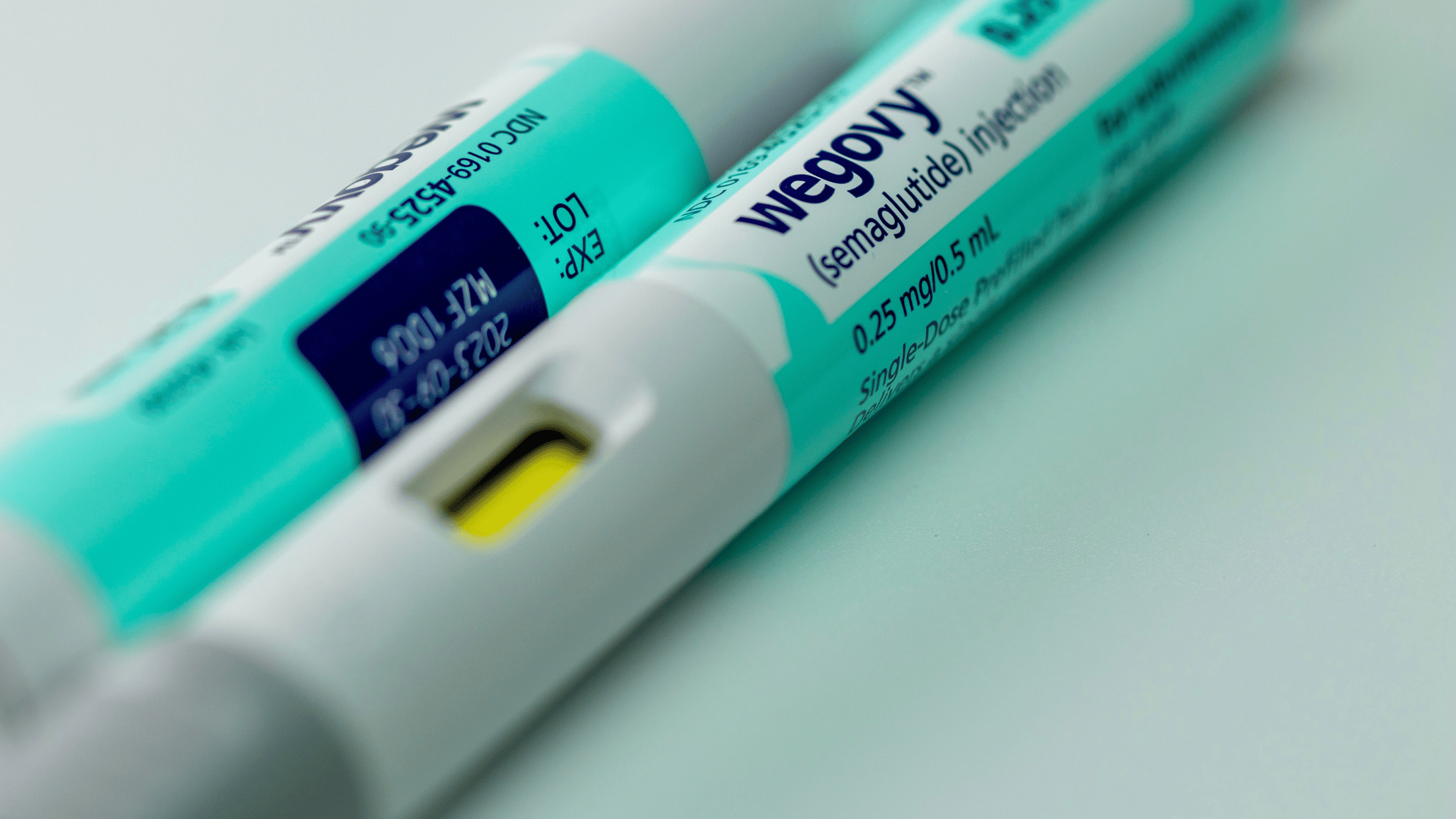
Importantly, Wegovy injections are available in multiple strengths, allowing gradual titration.
Available strengths include:
- 0.25 mg weekly (
- 0.5 mg weekly
- 1 mg weekly
- 1.7 mg weekly
- 2.4 mg weekly
The lower doses are not weight-loss doses. They are used to allow the body to adjust. Titration typically increases every four weeks under medical supervision. Not every patient reaches 2.4 mg; treatment is personalised based on tolerance and response.
Safety profile: injection vs tablet
Both injection and oral semaglutide share similar mechanisms of action and side-effect profiles.
Common side effects:
- Nausea
- Vomiting
- Diarrhoea
- Constipation
- Reflux
- Reduced appetite
Less common but serious risks:
- Pancreatitis
- Gallbladder disease
- Severe dehydration
- Thyroid C-cell tumour risk (rodent data)
There is no evidence that tablets are inherently safer than injections.
Safety depends on:
- Proper patient selection
- Medical screening
- Gradual dose escalation
- Monitoring
What Irish patients are actually saying
In consultations and online discussions across Ireland, themes emerge:
“I’d take a pill if it worked the same.”
“I’m nervous about injections.”
“Is the pill weaker?”
“Should I wait?”
When patients understand that injections are given once weekly and that the needles are extremely fine, hesitation often decreases. Many who initially feared injections report that it becomes routine within weeks.
Is it worth waiting for the Wegovy pill?
This depends on your medical situation.
Obesity is associated with increased risk of:
- Type 2 diabetes
- Hypertension
- Cardiovascular disease
- Obstructive sleep apnoea
- Non-alcoholic fatty liver disease
- Joint degeneration
If you meet treatment criteria today, delaying therapy may postpone:
- Cardiovascular risk reduction
- Metabolic improvement
- Sustained weight loss
- Reduction in visceral fat
How does Wegovy compare to other advanced treatments?
Another major therapy is Mounjaro.
Mounjaro acts on both GLP-1 and GIP receptors and has demonstrated:
- Up to 20%+ weight loss in trials
Currently, advanced dual-hormone therapies remain injection-based.
There is no licensed dual-pathway tablet option in Ireland.
The bigger shift: obesity as a chronic disease
The development of an oral Wegovy-level medication reflects a broader shift:
Obesity is now recognised as:
- Hormone-regulated
- Biologically driven
- Influenced by gut-brain signalling
- Responsive to medical therapy
The conversation has moved beyond “willpower.”
This change has reduced stigma and expanded access to evidence-based treatment.
Risks of unregulated online products
The HPRA has issued warnings about illegal GLP-1 products sold online.
Patients should avoid:
- Websites selling “Wegovy tablets”
- Compounded semaglutide with unclear sourcing
- Imported products bypassing Irish regulations
Legitimate medication in Ireland must be:
- Prescribed by a registered doctor
- Dispensed through a licensed pharmacy
- Approved under Irish and EU regulations
Frequently Asked Questions
1. What is the difference between Wegovy and oral semaglutide?
Wegovy is a once-weekly injectable formulation of semaglutide licensed for chronic weight management. Oral semaglutide is a tablet formulation of the same active ingredient but has historically been licensed for type 2 diabetes at lower doses.
The key differences include:
- Dose strength: Obesity treatment requires higher dosing.
- Route of administration: Injection vs daily tablet.
- Absorption consistency: Injections provide more predictable systemic exposure.
- Regulatory indication: Wegovy is licensed for obesity; oral high-dose semaglutide for obesity is not yet licensed in Ireland.
Both act on the GLP-1 receptor pathway.
2. How does semaglutide cause weight loss at a physiological level?
Semaglutide works centrally and peripherally.
Central Nervous System Effects
It activates GLP-1 receptors in the hypothalamus, reducing appetite signalling and altering food reward pathways.
Gastrointestinal Effects
It slows gastric emptying, prolonging satiety after meals.
Metabolic Effects
It improves insulin secretion and reduces glucagon levels, improving glycaemic control and reducing fat storage signals.
Weight loss is therefore:
- Hormone-mediated
- Appetite-regulated
- Calorie-intake driven
- Not purely behavioural
3. What were the key findings from injectable Wegovy trials?
In large Phase 3 trials:
- Mean weight reduction was approximately 12–15% at 68 weeks.
- Around one-third of participants lost ≥20%.
- Significant reductions in waist circumference occurred.
- Improvements in systolic blood pressure were observed.
- LDL cholesterol and inflammatory markers improved.
Longer-term cardiovascular outcome data also demonstrated reduced major adverse cardiovascular events in high-risk populations.
4. What were the findings from high-dose oral semaglutide obesity trials?
Global Phase 3 trials evaluating doses up to 50 mg daily reported:
- Mean weight loss around 15%.
- A majority achieving ≥10% reduction.
- Gastrointestinal adverse events similar to those observed with injectable formulations.
- Comparable metabolic improvements.
However:
- Real-world adherence data is still emerging.
- Regulatory approval for obesity treatment in Ireland is not yet in place.
5. Why is oral semaglutide taken under strict fasting conditions?
Oral semaglutide has low bioavailability (approximately 1%).
To optimise absorption:
- It must be taken on an empty stomach.
- Only a small volume of water should be used.
- No food for at least 30 minutes.
- No other oral medications at the same time.
Food significantly reduces absorption.
This differs from injections, which bypass the gastrointestinal tract entirely.
6. Are injection strengths fixed?
No.
Wegovy is supplied in graduated pre-filled pen strengths:
- 0.25 mg weekly
- 0.5 mg weekly
- 1 mg weekly
- 1.7 mg weekly
- 2.4 mg weekly
Gradual escalation reduces gastrointestinal side effects.
Not every patient reaches the full 2.4 mg dose.
Treatment is individualised.
7. How long does it take to see results?
Weight reduction typically begins within the first 4–8 weeks after initiation.
Clinically meaningful loss is generally observed by:
- 12 weeks at therapeutic dose
- 6 months of sustained use
- 12–18 months maximal outcomes
Early appetite suppression is often noticeable within weeks.
8. What are the most common side effects?
The most common side effects include:
- Nausea
- Vomiting
- Diarrhoea
- Constipation
- Bloating
- Reduced appetite
These are typically:
- Dose-dependent
- More common during escalation
- Temporary in most patients
Slower titration improves tolerance.
9. Who should not take semaglutide?
Semaglutide is contraindicated in patients with:
- Personal or family history of medullary thyroid carcinoma
- Multiple endocrine neoplasia syndrome type 2
- Pregnancy or breastfeeding
- Known hypersensitivity to semaglutide
- Severe gastrointestinal disease
Caution is advised in:
- History of pancreatitis
- Gallbladder disease
- Severe renal impairment
Medical screening is essential. At weightlossinjections.ie we do not prescribe to patients who have Type 2 diabetes, as we believe it is safer and more clinically appropriate to be treated by your own GP.
10. Does stopping treatment cause weight regain?
Evidence suggests that discontinuation of GLP-1 therapy can lead to partial weight regain.
Obesity is a chronic condition.
Long-term management strategies may include:
- Continued medication
- Lifestyle interventions
- Structured monitoring
This is similar to managing hypertension or diabetes.
11. Is the Wegovy pill safer because it is oral?
No evidence suggests oral delivery is inherently safer.
Both formulations:
- Activate the same receptor pathway
- Have similar gastrointestinal side effects
- Require medical supervision
14. Is semaglutide addictive?
No. Semaglutide does not cause physical dependence. However, stopping therapy may result in increased appetite returning to baseline.
15. Is medical weight loss appropriate for cosmetic reasons only?
No.
GLP-1 medications are indicated for:
- Obesity (BMI ≥ 30)
- Overweight with comorbidities (BMI ≥ 27)
They are not intended for short-term aesthetic weight loss in individuals with normal BMI.
16. How is eligibility assessed in Ireland?
A medical consultation will review:
- BMI
- Medical history
- Blood pressure
- Current medications
- Risk factors
- Contraindications
Prescribing must align with guidance overseen by the Health Products Regulatory Authority.
17. Are compounded or imported semaglutide products safe?
The HPRA has warned about unregulated GLP-1 products sold online.
Risks include:
- Incorrect dosing
- Contamination
- Counterfeit ingredients
- Lack of monitoring
Patients should use only licensed products dispensed by registered pharmacies.
Current Treatment Options
If you meet eligibility criteria today, licensed injectable treatment is available.
It offers:
- Once-weekly dosing
- Multiple graduated strengths
- Proven weight loss outcomes
- Cardiovascular benefit data
- Regulated pharmacy supply
Consider Starting Treatment Now
While oral high-dose semaglutide awaits regulatory approval, injection therapy is already available in Ireland. A consultation can determine whether you are clinically suitable.
Start Evidence-Based Treatment Today
A clinical consultation will assess:
- BMI
- Medical history
- Current medications
- Blood pressure
- Suitability
- Contraindications
From there, a personalised plan can be created.
Submit an online consultation today, and our clinical team will review for clinical appropriateness, if we can’t help you we will provide you with a refund.