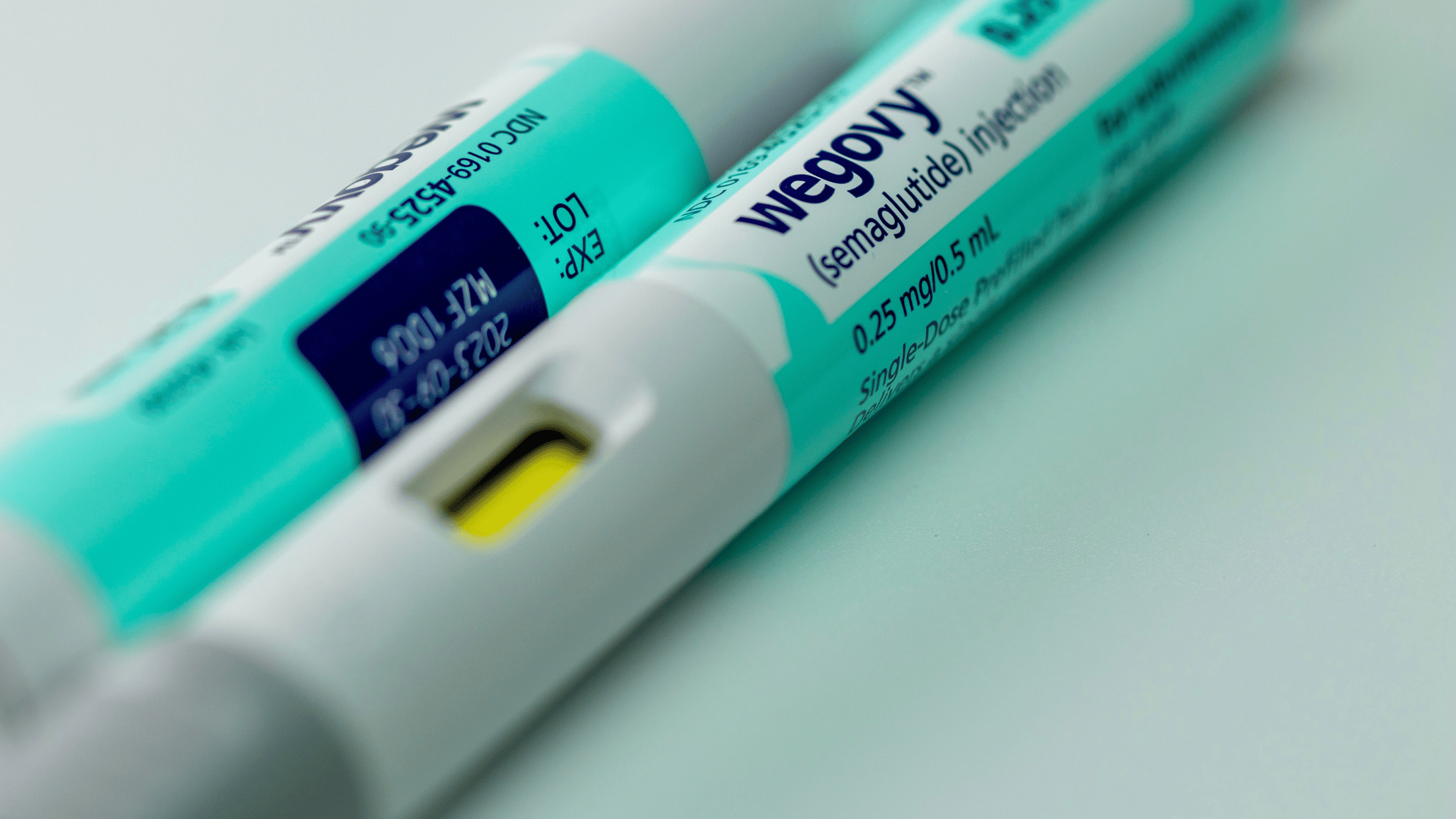
Why Retatrutide is generating global attention
In the evolving field of medical obesity treatment, few investigational drugs have generated as much discussion as retatrutide. Although not yet approved in Ireland, search interest is rising rapidly. Patients are increasingly asking:
- What is retatrutide?
- How much weight can it cause?
- Is it better than Wegovy?
- Is it stronger than Mounjaro?
- When will it be available in Ireland?
- Should I wait for it?
Retatrutide represents a potential next-generation therapy targeting multiple hormonal pathways involved in appetite, metabolism, and energy expenditure.
However, it remains investigational.
Understanding what it is, and what it is not, is essential before drawing conclusions.
What is Retatrutide?
Retatrutide is a novel investigational medication developed by Eli Lilly and Company.
It is described as a triple incretin receptor agonist because it activates three key metabolic receptors:
- GLP-1 receptor
- GIP receptor
- Glucagon receptor
This differentiates it from current therapies:
- Wegovy – GLP-1 receptor agonist
- Mounjaro – GLP-1 and GIP receptor agonist
Retatrutide adds glucagon receptor activation to this combination.
This triple-pathway mechanism is central to its early clinical performance.
Understanding the Three Pathways
To understand why retatrutide is being called “next generation,” we need to examine its biological mechanisms.
1️. GLP-1 Receptor Activation
GLP-1 agonism leads to:
- Appetite suppression
- Delayed gastric emptying
- Increased satiety
- Reduced food reward signalling
- Improved insulin secretion
This pathway underpins the success of semaglutide-based medications.
2️. GIP Receptor Activation
GIP enhances:
- Insulin secretion
- Lipid metabolism
- Energy storage regulation
- Beta-cell support
In dual agonists such as tirzepatide, this pathway appears to amplify metabolic control.
3️. Glucagon Receptor Activation
Glucagon increases:
- Energy expenditure
- Lipolysis (fat breakdown)
- Hepatic glucose output
- Thermogenesis
In isolation, glucagon could raise blood sugar levels.
However, when balanced with GLP-1 and GIP activation, the net metabolic effect may favour fat oxidation and weight reduction.
This combination potentially allows:
• Reduced caloric intake
• Increased caloric expenditure
That dual mechanism likely explains the higher weight loss observed in early trials.
Retatrutide clinical trial results
Retatrutide has completed Phase 2 trials in adults with obesity.
The headline results attracted widespread attention.
At the highest dose studied:
- Mean weight loss approached 24% at 48 weeks
- A significant proportion of participants lost ≥20%
- Some individuals approached 25% reduction
For context:
- Semaglutide (Wegovy): ~15% average
- Tirzepatide (Mounjaro): ~20–22%
- Retatrutide (Phase 2): ~24%
These numbers approach results seen with some forms of bariatric surgery.
However, it is important to emphasise:
Phase 2 results are not definitive evidence of approval.
Phase 3 trials are required to:
- Confirm efficacy at scale
- Assess long-term safety
- Evaluate cardiovascular outcomes
- Study the durability of weight loss
Why a 24% reduction is clinically significant
A 20–25% reduction in body weight can lead to meaningful health improvements including:
- Lower blood pressure
- Improved insulin sensitivity
- Reduced liver fat
- Improved lipid profiles
- Reduced inflammatory markers
- Reduced cardiovascular risk
In patients with obesity-related complications, such reductions may delay or prevent progression to type 2 diabetes and cardiovascular disease.
This is why retatrutide’s early data has drawn attention in the medical community.
Is Retatrutide Approved in Ireland?
Retatrutide is not currently approved or licensed in Ireland. It has not received authorisation from the Health Products Regulatory Authority. It remains an investigational medication in clinical development. It is not legally available through prescription in Ireland at this time.
When Could Retatrutide Become Available?
Retatrutide is currently in Phase 3 clinical trials.
The pathway to Irish availability would typically include:
- Completion of Phase 3 trials
- Submission to regulatory authorities
- European Medicines Agency review
- Authorisation
- National reimbursement and supply decisions
Even under favourable timelines, widespread availability in Ireland is unlikely in the immediate future. There is currently no confirmed launch date for Ireland.
Safety Considerations
In Phase 2 studies, retatrutide demonstrated a side effect profile similar to other incretin therapies.
Common adverse effects:
- Nausea
- Vomiting
- Diarrhoea
- Constipation
- Reduced appetite
Dose escalation increased gastrointestinal side effects.
Because glucagon receptor activation increases heart rate and metabolic rate, monitoring of:
- Cardiovascular parameters
- Glycaemic response
- Resting heart rate
is important.
Long-term cardiovascular outcome data have not yet been published.
Retatrutide vs Wegovy: a clinical comparison
|
Feature |
Wegovy |
Retatrutide |
|
Hormonal targets |
GLP-1 |
GLP-1 + GIP + Glucagon |
|
Average weight loss |
~15% |
~24% (Phase 2) |
|
CV outcome data |
Established |
Pending |
|
Approval status Ireland |
Approved |
Investigational |
|
Long-term data |
Extensive |
Limited |
Wegovy has robust long-term safety data.
Retatrutide has higher early efficacy but less mature safety data.
Retatrutide vs Mounjaro
|
Feature |
Mounjaro |
Retatrutide |
|
Mechanism |
GLP-1 + GIP |
GLP-1 + GIP + Glucagon |
|
Avg weight loss |
~20–22% |
~24% |
|
Regulatory approval |
Yes (many regions) |
No |
Retatrutide extends the dual agonist model into triple agonism.
Should you wait for Retatrutide?
If you meet medical criteria for obesity treatment today, approved therapies are already available in Ireland.
- Wegovy
- Mounjaro
These therapies have:
- Regulatory approval
- Cardiovascular data
- Structured dosing
- Clinical supervision frameworks
The evolution of obesity pharmacotherapy
Retatrutide signals a broader shift toward:
- Multi-hormonal therapies
- Higher efficacy targets
- Personalised obesity medicine
- Combination treatment strategies
Future developments may include:
- Oral triple agonists
- Longer-acting injectables
- Combination metabolic therapies
However, safety and long-term data remain the foundation of approval decisions.
Obesity in Ireland: why emerging treatments like Retatrutide matter
Any discussion of advanced obesity medications must be grounded in the Irish public health context. Obesity is not a niche issue in Ireland; it is a national health challenge.
According to Irish health data:
- Approximately 60% of adults in Ireland are overweight or obese
- Around 1 in 4 adults meet the criteria for obesity
- Childhood overweight and obesity rates remain a significant concern
- Rates continue to trend upward over time
Obesity is now one of the leading modifiable risk factors contributing to:
- Type 2 diabetes
- Hypertension
- Cardiovascular disease
- Stroke
- Certain cancers
- Osteoarthritis
- Fatty liver disease
From a healthcare system perspective, obesity contributes significantly to long-term healthcare expenditure.
Ireland’s current policy approach to obesity
Ireland’s approach to obesity includes:
- Public health campaigns
- Nutritional labelling initiatives
- Sugar tax implementation
- School-based health interventions
- National obesity policy frameworks
The HSE’s strategic plans recognise obesity as a chronic disease requiring long-term management. However, lifestyle interventions alone have not reversed national trends.
This has increased interest in:
- Evidence-based pharmacotherapy
- Structured medical obesity clinics
- Integrated chronic disease management
What this means for patients in Ireland today
If you are researching retatrutide, you are likely:
- Exploring maximum efficacy treatments
- Concerned about long-term health
- Comparing available options
- Seeking the most advanced therapy
While triple-agonist therapy remains investigational, licensed treatments are already delivering substantial weight reduction under medical supervision.
In Ireland’s current healthcare environment, the safest path is:
- Clinical assessment
- Evidence-based treatment
- Ongoing monitoring
Retatrutide represents the future, but regulated therapies represent the present.
Frequently Asked Questions
1. What stage of development is retatrutide currently in?
Retatrutide is currently in Phase 3 clinical trials.
Phase 3 trials are large-scale studies designed to:
- Confirm efficacy in a broader population
- Monitor safety at scale
- Compare against placebo or standard treatment
- Identify uncommon adverse effects
- Assess long-term outcomes
Only after successful completion of Phase 3 trials can a manufacturer submit data to regulatory authorities such as the European Medicines Agency and, subsequently, the Health Products Regulatory Authority. At present, retatrutide remains investigational.
2. How much weight loss did retatrutide produce in clinical trials?
In Phase 2 trials involving adults with obesity:
- Participants receiving the highest studied dose lost approximately 24% of body weight at 48 weeks.
- A significant proportion lost 20% or more.
- Weight reduction continued over the duration of the trial.
These figures are notable because they approach the magnitude of weight loss seen in some bariatric surgical procedures.
However:
- These results were observed in controlled trial environments.
- Phase 3 confirmation is required.
- Long-term maintenance beyond 48 weeks remains under study.
3. How does retatrutide differ from semaglutide?
Wegovy acts only on the GLP-1 receptor.
Retatrutide acts on:
- GLP-1
- GIP
- Glucagon receptors
This triple agonism means retatrutide potentially:
- Reduces appetite (GLP-1)
- Improves insulin signalling (GIP)
- Increases energy expenditure (glucagon)
Semaglutide primarily reduces calorie intake. Retatrutide aims to reduce intake and increase calorie expenditure.
4. Why is glucagon activation significant?
Glucagon increases:
- Hepatic glucose output
- Lipolysis (fat breakdown)
- Resting energy expenditure
In isolation, glucagon could increase blood glucose. However, when combined with GLP-1 and GIP activation, glucose levels remain regulated while metabolic rate may increase. This is a key differentiator between dual-agonist and triple-agonist therapies.
5. Is retatrutide considered stronger than Mounjaro?
Mounjaro demonstrated 20–22% weight reduction in clinical trials.
Retatrutide demonstrated ~24% in Phase 2 studies.
However, “stronger” is not purely about average percentage weight loss.
Other factors matter:
- Tolerability
- Cardiovascular outcomes
- Long-term safety
- Adherence
- Maintenance durability
Phase 3 data will determine comparative positioning.
6. What are the known side effects of retatrutide?
In early studies, reported adverse effects were similar to those of other incretin therapies:
Common:
- Nausea
- Vomiting
- Diarrhoea
- Constipation
- Reduced appetite
Dose escalation influenced severity.
Because of glucagon receptor activation, monitoring of:
- Resting heart rate
- Blood pressure
- Glucose levels
is important in ongoing trials.
Long-term cardiovascular outcome data has not yet been published.
7. Would Retatrutide be an injection or tablet?
Retatrutide has been studied as a once-weekly injection. There is currently no approved oral formulation. Triple agonist oral therapies remain investigational.
8. What happens if Phase 3 trials fail?
Phase 3 trials are designed to:
- Confirm safety
- Confirm efficacy
- Identify rare adverse events
If Phase 3 results do not meet regulatory standards, approval may be delayed or denied.
This is why Phase 2 results should not be interpreted as a guarantee of future availability.
9. Why are triple agonists considered the future of obesity medicine?
Obesity is hormonally regulated. Single-pathway therapies target appetite alone.
Dual and triple agonists aim to:
- Reduce intake
- Increase energy expenditure
- Improve metabolic flexibility
- Address insulin resistance
This multi-mechanism approach reflects modern understanding of obesity pathophysiology.
10. How does Retatrutide affect metabolism beyond weight loss?
Early studies suggest improvements in:
- HbA1c
- Fasting glucose
- Triglycerides
- Liver fat content
- Waist circumference
Long-term metabolic outcomes are still under investigation.
What you can do now
If you are researching retatrutide, it likely reflects:
- A desire for maximum weight loss
- Interest in emerging therapies
- Active comparison of options
While retatrutide remains investigational, licensed GLP-1 therapies are already available in Ireland.
They provide:
- Proven weight loss
- Regulatory oversight
- Cardiovascular benefit evidence
- Structured monitoring
For many patients, beginning approved treatment now may be more appropriate than waiting for future developments.
Explore your options safely
A medical consultation can assess:
- BMI eligibility
- Medical history
- Suitability
- Risk factors
- Best currently approved option
While Retatrutide represents an exciting development in obesity medicine, effective and regulated treatment is already available.