Why CagriSema is being called the next potential breakthrough in obesity treatment
In recent months, CagriSema has emerged as one of the most closely watched investigational obesity treatments globally. While it is not yet available in Ireland, media coverage and investor attention have increased rapidly. Health publications and diabetes advocacy organisations have highlighted CagriSema as a potential next step beyond current GLP-1 therapies.
Patients in Ireland are increasingly searching:
- What is CagriSema?
- How much weight can it help you lose?
- Is it stronger than Wegovy?
- Is it better than Mounjaro?
- When will it be available in Ireland?
- Should I wait for it?
To answer these questions properly, we need to look at the science, the clinical trial data, and the regulatory pathway.
What is CagriSema?
CagriSema is an investigational combination therapy developed by Novo Nordisk. It combines two active components:
- Cagrilintide (a long-acting amylin analogue)
- Semaglutide (a GLP-1 receptor agonist)
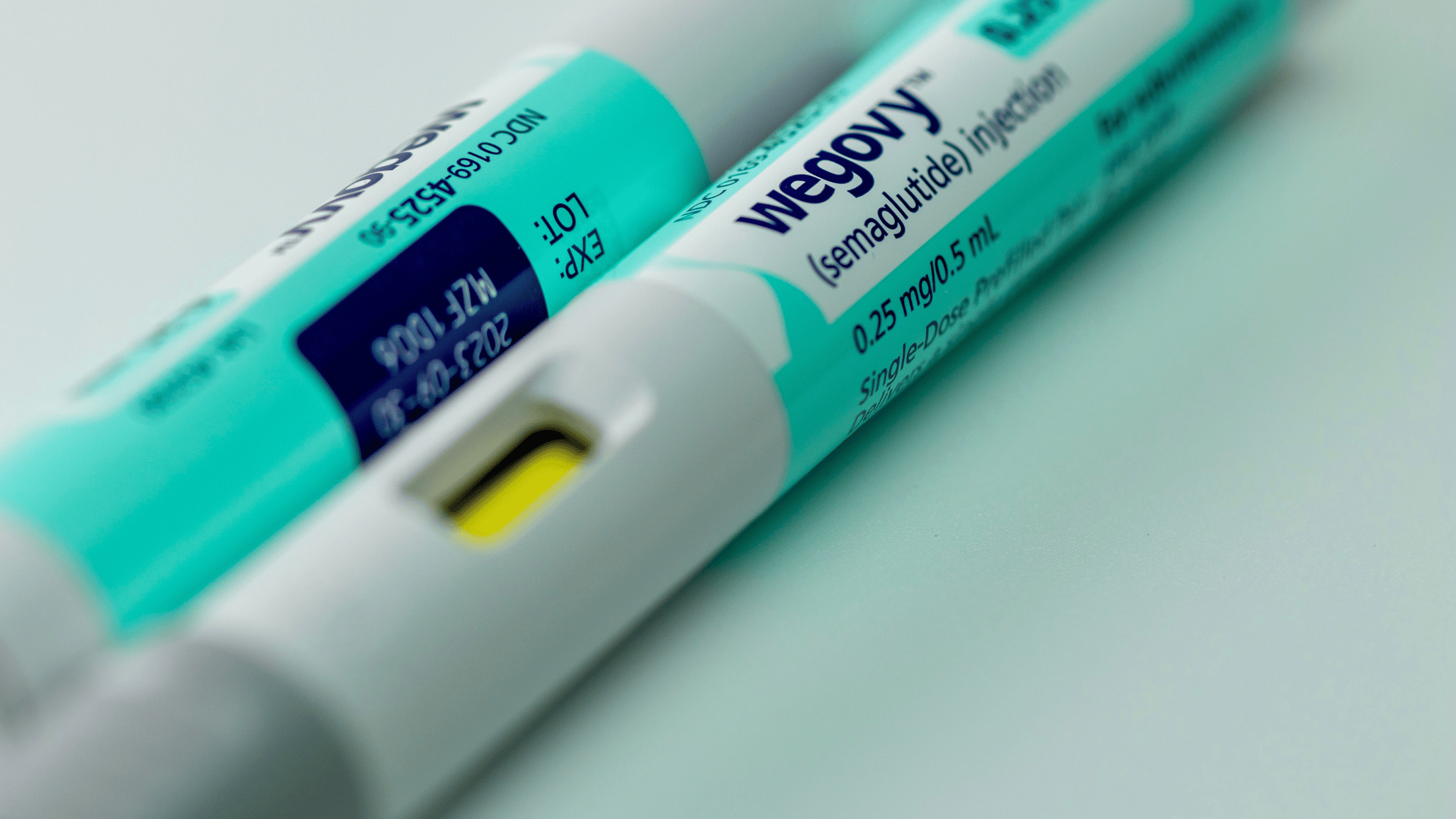
Semaglutide is the same active ingredient used in:
- Wegovy
- Ozempic
Cagrilintide mimics the hormone amylin, which is released by the pancreas alongside insulin and plays an important role in appetite regulation.
CagriSema therefore targets two complementary hormonal systems that regulate appetite and metabolism.
Understanding the dual hormone strategy
1️ Semaglutide (GLP-1 Agonist)
GLP-1 receptor activation leads to:
- Reduced appetite
- Slower gastric emptying
- Increased satiety
- Lower calorie intake
- Improved insulin secretion
Semaglutide alone has demonstrated an average weight loss of approximately 15% in large-scale trials.
2️ Cagrilintide (Amylin Analogue)
Amylin works through different brain pathways than GLP-1.
Its effects include:
- Appetite suppression
- Early satiety
- Slowed gastric emptying
- Reduced post-meal glucagon secretion
By combining GLP-1 and amylin, CagriSema aims to enhance appetite control beyond that achieved with GLP-1 alone.
Unlike triple agonists such as retatrutide, CagriSema does not directly increase energy expenditure. Its primary mechanism is the regulation of appetite through complementary hormonal pathways.
CagriSema clinical trial results
CagriSema has been studied in large Phase 3 obesity trials.
Headline Findings
- Average weight loss approached or exceeded 20% in some trial arms
- A substantial proportion of participants achieved ≥15% reduction
- Many achieved ≥20% body weight reduction
- Weight loss was greater than with semaglutide alone in some analyses
These results are significant because semaglutide already represents one of the most effective approved obesity medications.
Trial design overview
The clinical development programme for CagriSema included:
- Adults with BMI ≥30 or BMI ≥27 with weight-related comorbidities
- Randomised, double-blind design
- Placebo-controlled arms
- Dose-escalation schedules
- Treatment duration up to 68 weeks
A double-blind design ensures neither participants nor investigators know who receives active treatment versus placebo, reducing bias.
Longer-duration studies allow assessment of sustained weight trajectories and side-effect patterns.
Dose escalation and response
CagriSema trials included gradual titration.
This is important because:
- Higher doses increase efficacy
- Higher doses may increase gastrointestinal side effects
- Gradual escalation improves tolerability
Weight loss typically progressed over months, with continued reduction through later stages of the trial.
As with other incretin therapies, weight curves suggest steady decline rather than abrupt drops.
Metabolic effects beyond weight loss
In addition to weight reduction, CagriSema has demonstrated improvements in:
- HbA1c
- Fasting glucose
- Triglycerides
- LDL cholesterol
- Waist circumference
- Blood pressure
These metabolic improvements reinforce that obesity pharmacotherapy addresses systemic cardiometabolic risk, not just body weight.
Safety profile of CagriSema
Reported side effects mirror incretin-based therapies:
Common adverse events:
- Nausea
- Vomiting
- Diarrhoea
- Constipation
- Reduced appetite
Most events were mild to moderate. Discontinuation rates were influenced by dose and tolerability.
Is CagriSema approved in Ireland?
No, CagriSema has not been authorised by the Health Products Regulatory Authority.
When could CagriSema become available?
Approval requires:
- Completion of Phase 3 trials
- EMA review
- National authorisation
- Manufacturing scale-up
- Reimbursement decisions
Even under optimistic projections, widespread Irish availability is unlikely in the immediate term.
Why CagriSema matters in Ireland
Approximately 60% of adults in Ireland are overweight or obese.
Obesity contributes significantly to:
- Type 2 diabetes
- Cardiovascular disease
- Hypertension
- Fatty liver disease
- Joint disease
Ireland’s health strategy increasingly recognises obesity as a chronic disease requiring long-term medical management.
If CagriSema confirms sustained ≥20% weight loss safely, it could have a substantial public health impact.
Frequently Asked Questions
What exactly is CagriSema made of?
CagriSema is a fixed-dose combination of:
- Cagrilintide – a long-acting amylin analogue
- Semaglutide – a GLP-1 receptor agonist (the same active ingredient in Wegovy)
It is administered as a once-weekly injection. Unlike semaglutide alone, CagriSema combines two pathways that regulate appetite.
How does CagriSema reduce appetite differently from Wegovy?
Wegovy activates GLP-1 receptors. CagriSema activates:
- GLP-1 pathways (satiety signalling)
- Amylin pathways (meal termination signalling)
Amylin and GLP-1 act on overlapping but distinct brain regions. The combination intensifies central appetite suppression.
Does CagriSema increase metabolism?
No, not directly. Unlike triple agonists such as retatrutide, CagriSema does not significantly increase resting energy expenditure. Its primary mechanism is enhanced appetite suppression, leading to reduced caloric intake.
When will CagriSema be available in Ireland?
There is no confirmed launch date.
Approval depends on:
- Completion of Phase 3 trials
- European Medicines Agency review
- National regulatory authorisation
- Manufacturing scale-up
What exactly did the Phase 3 CagriSema trials show?
Late-stage trial data demonstrated that CagriSema achieved average weight loss exceeding 20% in higher-dose groups over approximately 68 weeks.
Importantly:
- Weight reduction was greater than semaglutide alone in head-to-head comparisons.
- A substantial proportion of participants achieved ≥15% and ≥20% weight loss.
- Weight reduction was sustained throughout the trial.
These results position CagriSema among the most effective non-surgical obesity medications studied to date.
Is CagriSema a single injection or two separate injections?
CagriSema is designed as a fixed-dose combination, meaning both active ingredients are delivered together in a single weekly injection.
This is important from an adherence perspective:
- One injection
- Once weekly
- Combined mechanism
This simplifies administration compared to using separate agents.
What you can do now
If you are researching CagriSema, you are likely seeking substantial weight reduction and the most advanced therapy available.
While CagriSema remains investigational, licensed therapies are already available in Ireland under medical supervision.
If you meet BMI eligibility criteria, a clinical consultation can assess:
- Suitability
- Cardiometabolic risk
- Treatment options
- Monitoring plan
You do not need to wait for investigational therapies to begin regulated, evidence-based weight loss treatment.
We’re Ireland’s most trusted online health service, we’ve helped over 60,000 people take control of their health, start your consultation here.